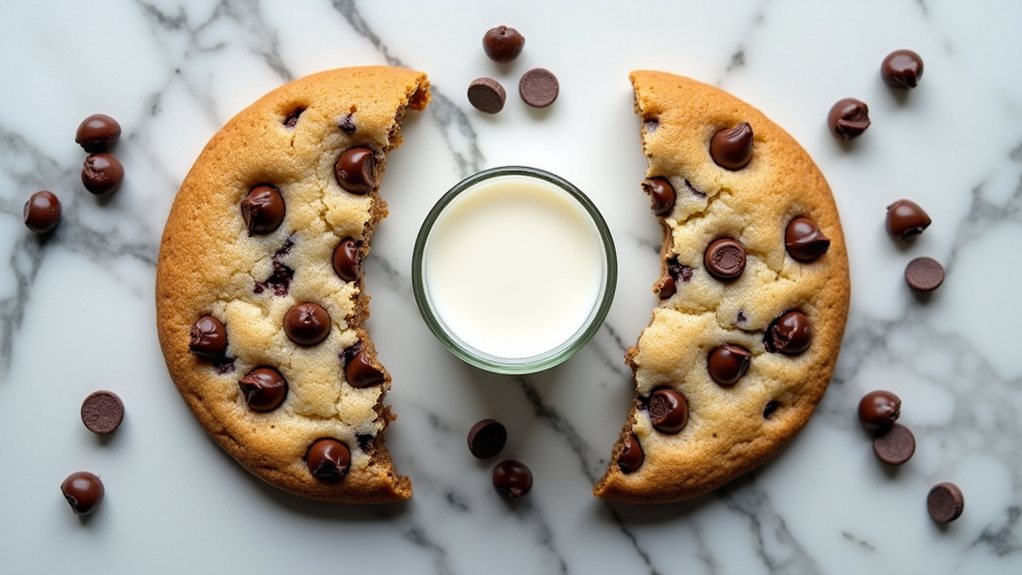
Cooking enthusiasts often develop endearing habits in the kitchen, such as using a cherished wooden spatula or always wearing a specific apron. However, some practices, despite their nostalgic value, can negatively impact the cooking process. For example, not precisely following baking recipes can lead to disappointing results, as baking requires precise measurements and methods to ensure the desired texture and taste.
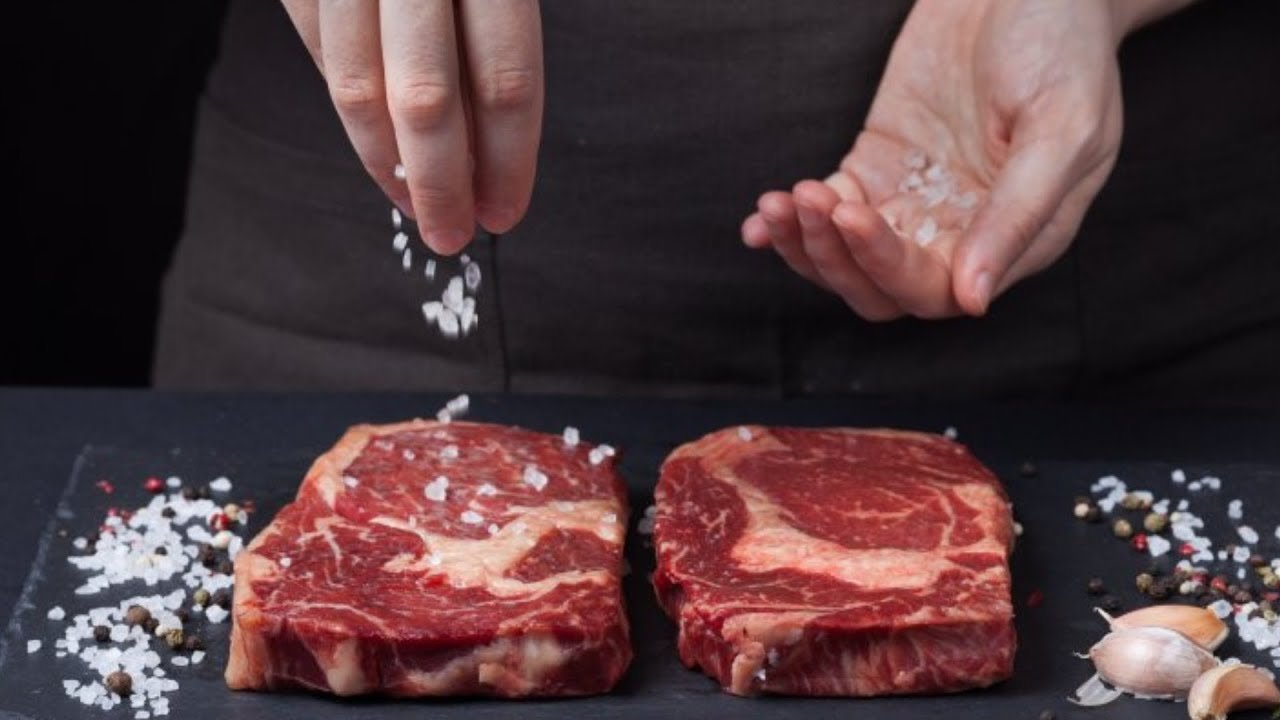
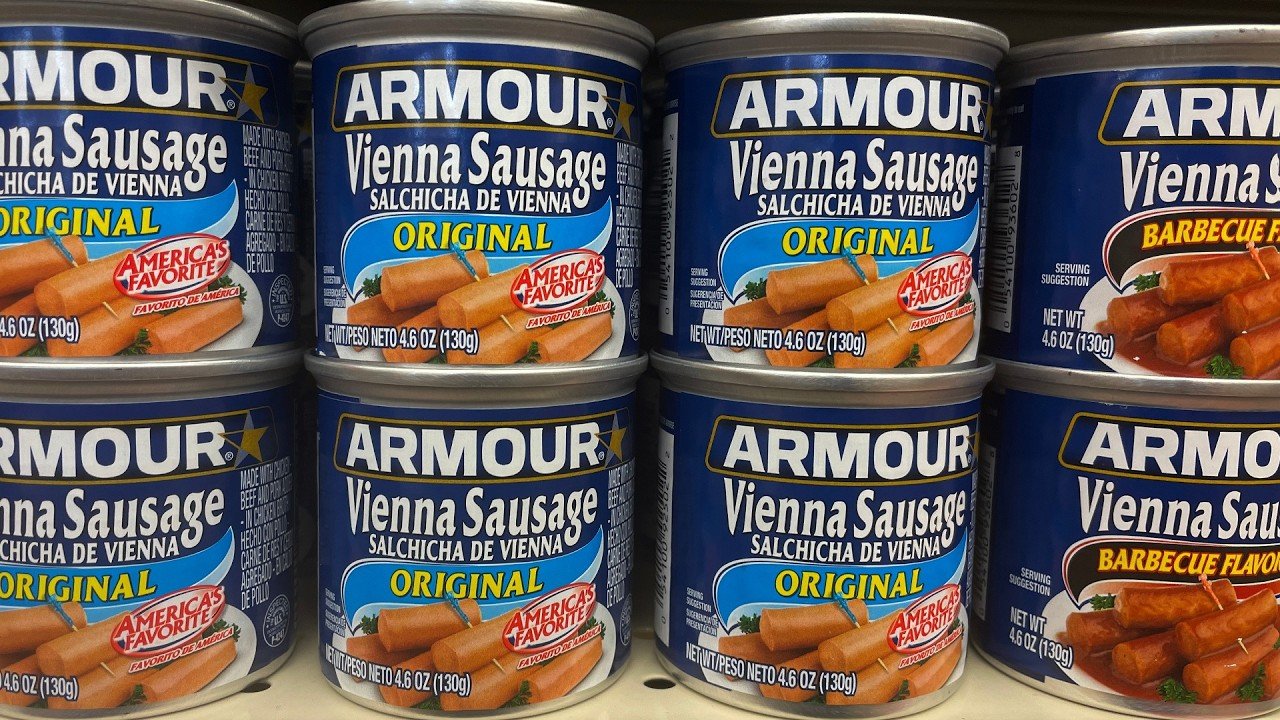
Using the correct amount of salt is crucial for enhancing flavors. Skimping on salt can make dishes bland, while over-salting can overwhelm them. Additionally, improper food storage can lead to spoilage and waste. For instance, storing certain items in the wrong conditions can hasten their decay, impacting both quality and safety.
Allowing meat to rest after cooking is essential for retaining juices and ensuring tenderness. Cutting into meat immediately can cause the juices to escape, resulting in a dry texture. Moreover, overcrowding pots and pans while cooking can lead to uneven heat distribution, affecting the overall cooking process and the quality of the dish.